Finding the Right Marietta top Pool Maintenance for Reliable Pool Care
Finding the Right Marietta top Pool Maintenance for Reliable Pool Care
Blog Article
Comprehensive Pool Maintenance: Maintain Your Pool Crystal Clear All Year Round
Proper pool maintenance is necessary for every pool owner. It ensures a clear and safe swimming space all year long. Consistent upkeep not only enhances water clarity but also prevents costly repairs. Understanding the important tasks involved can make a noticeable difference. With the right equipment and knowledge, anyone can manage their pool effectively. Yet, many miss essential aspects that could raise their pool experience. What are these vital practices that can turn a standard pool into a pristine oasis?
What Every Pool Owner Should Know About Maintenance
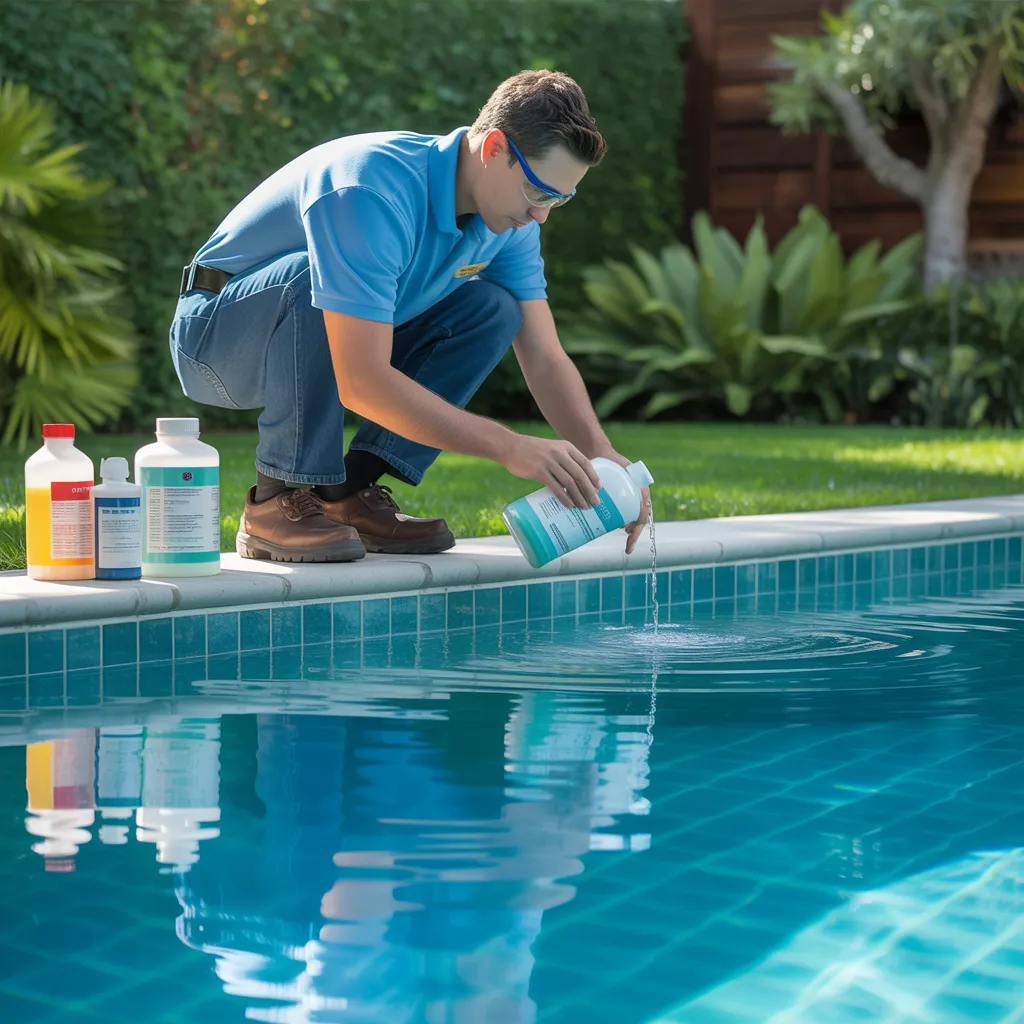
Maintaining a pool demands careful attention and knowledge of essential practices. Every pool owner should understand the importance of consistent upkeep to ensure water purity and protection. Routine tasks include testing chemical balance, which should be balanced to stop algae formation and maintain swimmer comfort. Filtration systems need regular inspection, as they play a crucial part in keeping water clean.
Pool proprietors should examine pool equipment and surfaces for signs of wear or damage, resolving issues promptly to prevent costly maintenance. Consistent skimming and vacuuming help remove debris that impacts water quality.
Understanding seasonal variations is important; securing a pool in colder climates can preserve it from injury. Insight of local regulations regarding pool maintenance can also direct owners in meeting safety norms. Ultimately, a preventive methodology to pool care not only enhances the swimming experience but also prolongs the life of the pool itself.
Critical Tools for Proper Pool Care
A knowledgeable pool owner knows that choosing the right equipment is essential for effective pool maintenance. Vital implements include a net skimmer, which efficiently eliminates surface-level debris and waste, and a cleaning vacuum to maintain the pool base. A reliable pool brush is essential for scrubbing the surfaces and steps, preventing algae accumulation. Furthermore, a water testing kit is necessary for monitoring chemical levels, maintaining a safe swimming environment.
To maintain adequate flow, a good-quality pool pump is required, while a filter system maintains the water clean. Pool upkeep also gains from equipment like a telescopic pole, enabling users to reach difficult areas. Finally, purchasing a cover shields the pool from debris and decreases upkeep duration. These essential tools enable pool owners to maintain their pools efficiently, keeping them clean and appealing throughout the year.
How Routine Cleaning Maintains Your Pool Sparkling
Regular cleaning is crucial for preserving a crystal-clear pool, as it stops debris accumulation and ensures water transparency. Key tools and a regular cleaning schedule play an important role in this process. Understanding the advantages of regular upkeep can enhance both the pool's appearance and longevity.
Essential Cleaning Equipment Needed
While appreciating a immaculate pool is a pleasure for any homeowner, the proper cleaning tools are crucial for keeping it in gleaming condition. A reliable skimmer net is vital for extracting leaves and debris from the water's surface. Additionally, a pool brush helps maintain tile and wall cleanliness, stopping algae buildup. A vacuum, whether manual or automatic, can efficiently clean the pool floor, guaranteeing no dirt remains. Water test kits are also important for tracking water chemistry, enabling for timely adjustments. Finally, a pool cover can shield the pool from contaminants when not in use, reducing overall cleaning time. Together, these tools create the foundation for effective pool maintenance, contributing to a consistently inviting swimming environment.
Pool Cleaning Frequency
How often should a pool be maintained to maintain its shine? Consistent maintenance is vital to ensure a immaculate aquatic environment. Typically, pools should be skimmed and vacuumed each week to remove debris, leaves, and grime. Furthermore, scrubbing the surfaces and floor at least once a week helps prevent algae buildup. Water chemistry should be checked two to three times a week to guarantee proper balance, while filters need cleaning or replacement according to manufacturer recommendations, typically every 1-3 months. Seasonal deep cleaning is also recommended, involving intensive cleaning and inspection of equipment. By adhering to this maintenance routine, pool owners can keep a gleaming pool, reducing the likelihood of more extensive issues arising later.
Benefits Of Periodic Maintenance
Consistent cleaning routines not only improve the aesthetic appeal of a pool but also contribute greatly in its overall condition and longevity. Regular maintenance prevents the buildup of dirt, algae, and harmful bacteria, ensuring a safe swimming environment. By promptly addressing these issues, pool owners can avoid costly repairs and extend the lifespan of their pool equipment. Additionally, routine cleaning helps maintain balanced water chemistry, which is crucial for preventing corrosion and scaling. Keeping a pool well maintained ensures a more enjoyable swim, as clear water and cleanliness attract swimmers. Ultimately, frequent upkeep is vital for maintaining the usability and beauty of a pool throughout the year.
Pool Chemical Balance: A Simple Guide
Maintaining pool compounds in equilibrium is important for guaranteeing water purity and safety. Key components include chlorine, alkalinity, and pH levels, all of which need regular observation. Testing the water often and making necessary adjustments assures a healthy swimming environment.
Vital Chemical Building Blocks
Sustaining a clean and safe swimming pool copyrights heavily on understanding essential chemical substances. The key chemicals needed include chlorine, pH stabilizers, alkalinity raisers, and calcium hardness. Chlorine functions as a purifier, eliminating harmful bacteria and algae. Ensuring the appropriate pH level, ideally between 7.2 and 7.6, confirms successful chlorine operation and inhibits skin reactions. Alkalinity buffers facilitate stabilization of pH fluctuations, while calcium hardness prevents corrosion and scaling. All these elements fulfills a key role in overall water quality and swimmer safety. Consistent focus to these chemicals not only enhances the pool's lucidity but also prolongs the longevity of the pool and its systems, making it fundamental for any pool owner to comprehend their weight.
Routine Water Testing
Routine water examination is essential for ensuring ideal pool environment and proper chemistry in a pool. This routine reveals inconsistencies that can cause algae growth, cloudy water, or skin irritation. Testing should be conducted at least once a week, with more frequent checks during peak usage or extreme weather conditions. Key parameters to track include chlorine levels, alkalinity, and hardness. Employing test strips or liquid kits, pool owners can obtain accurate readings and make informed choices about necessary adjustments. Consistent testing not only enhances the pool's aesthetic appeal but also supports the longevity of pool equipment. By prioritizing regular water testing, pool owners can sustain a safe and inviting environment for swimmers throughout the year.
Regulating pH Measurements
While a properly kept pool provides an welcoming retreat, improper pH levels can compromise its overall quality and swimmer comfort. pH levels have a crucial role in the efficiency of sanitizers and the overall condition of the pool environment. Ideally, the pH should range between 7.2 and 7.8. When levels fall below this range, water becomes acidulous, potentially leading to surface irritation and corrosion of pool machinery. Conversely, high pH levels can result in cloudy water and reduced sanitizer effectiveness. Regular checking with pH strips or digital testers is important. If modifications are needed, introducing pH increaser (sodium carbonate) or pH reducer (sodium bisulfate) can return equilibrium. Preserving proper pH guarantees a safe and pleasant swimming experience.
Correcting Your Pool Problems: Quick Answers
Diagnosing swimming pool troubles can feel hard, but immediate solutions regularly exist for standard issues. For turbid water, assessing and adjusting pH and chlorine levels can usually return clarity. If the filter is damaged, checking for clogs or substituting the filter media may rectify the issue promptly. When addressing algae growth, giving the pool a chlorine shock with a chlorine treatment can rapidly clear it, followed by cleaning the walls and floor surfaces.
In instances of water leaks, identifying the source is vital; using dye tests can help locate small leaks around skimmers or fittings. For equipment that won't start, examining power sources and resetting timers often does the trick. Finally, if the pool's surface shows stains, applying a suitable cleaning agent or scrub can help When water seepage happen, identifying the source is essential; using color tracing tests can help pinpoint small leaks around fittings or skimmers. For equipment that won't start, examining power sources and resetting timers often does the trick. Finally, if the pool's surface shows spots, applying a suitable cleaning agent or scrub can help restore its appearance. By handling these problems efficiently, pool owners can maintain a clean and enjoyable swimming environment throughout the year.
Suggestions for Boosting Your Pool's Attractive Appearance
How can pool owners transform their outdoor space into a aesthetically pleasing oasis? One efficient strategy is to include surrounding landscaping. Verdant foliage and colorful flower beds can produce a vibrant contrast against the pool's blue water. Additionally, using ornamental containers with tropical plants brings depth and interest.
Lighting functions an vital role as well. Underwater LED lights and strategically placed lanterns boost the evening mood, making the pool area inviting after sunset.
Including elegant furnishings is another key element. Comfortable lounge chairs, chic umbrellas, and elegant tables combine both functionality and attractiveness.
Lastly, think about incorporating artistic touches such as mosaics or sculptures. These unique features can act as focal points, elevating the overall design. By blending these elements, pool owners can design a enchanting environment that encourages relaxation and enjoyment all year round.
Popular Requested Questions
How Often Should I Test My Pool Water Chemical Properties?
Pool water chemistry testing should take place at least once a week during the swimming season. In cooler months, bi-weekly tests may be sufficient. Frequent testing guarantees balanced water, promoting safety and ideal swimming conditions for users.
What Are Typical Indicators of Pool Algae Contamination?
Common signs of pool algae infestation encompass murky or discolored water, slick surfaces, noticeable green reference or black spots on walls, and a pungent odor. Regular inspections can help identify these problems early, ensuring effective treatment.
Should I Utilize Normal Home Cleaning Agents in My Pool Area?
Applying common household cleaning products in a pool is not wise. These chemicals can alter the water's chemical composition, possibly endangering bathers and harming pool machinery. It's preferable to use products formulated for pool care.
What Procedures Should I Take to Winterize My Pool Effectively?
To get a pool ready for winter a pool properly, one should decrease the water level, clean the pool thoroughly, add winter chemicals, cover the pool firmly, and make sure all equipment is stored and drained correctly to prevent damage.
How Can I Address a Noisy Pool Pump?
When the pool pump is noisy, the owner must search for debris, maintain proper oiling, and inspect the motor. If problems persist, calling a professional or substituting the pump may be vital for solving the issue.
Report this page